Showing posts with label adventure. Show all posts

Wednesday, August 28, 2013

Our first caving adventure in Zatyzine, Ukraine

We planned to go hiking on the Ukraine Independence Holiday weekend with our CS host, Andrii in Ivano Frankivsk, however, as a mountain guide, he suddenly got a job appointment for a 3 days trip in the Carpathian mountain.  

To our pleasant surprise, Andrii introduced and arranged us to spend our weekend with his friends, a couple who moved to the mountain in Zatyzine, some 2 hours drive away.
 
We were accompanied by another CS-er from Hong Kong, who was staying with Andrii on the same night. And Chin Wang is the first Hong Kong couchsurfer we met on our trip.

Jeremy waited for us at the bus stop and we were led into the mountain, among bushes and forest. After walking for about 20 minutes, we finally arrived their cozy little house among the forest, with only one or two neighbors afar.

Jeremy and Svitlana are excited to have guests and are very happy to meet us. 

They believed in the benefit of eating food uncooked and preferred eating everything raw including meat and vegetables. Hence, our first lunch together was salad and bread.
We had some exchange and learnt that  the couple are speleologist, serious cavers who had spent as long as one week continuously underground! They took almost a whole year making maps of their cave, discovering virgin passages and naming them with their team. They moved to the mountain for the love of caves and nature. 

In fact, there are many caves in Ukraine, especially in that area. We are told that when there is a patch of trees in the middle of the farm field, it means there is a cave underground! As they cannot harvest in a hole. 

After lunch, they took us out to explore some gypsum caves nearby. 

We are advised to wear enough warm clothes and something that can get dirty, with hiking boots ideally, plus head lamp. 


Svitlana is the one who led her husband into caving and she is also a cave guide, who take amateur spelunkers to caving adventure. She is very educational in teaching us about the structure of caves, how to move our body inside the cave safely, how to use equipments for cave diving and how to preserve the minerals, by not touching them. 

We hiked around the mountain after a short drive from their home and there are more than five caves at least. Unfortunately, they were covered by mud and trash, until we found a clean entrance that is more deserted.  Svitlana is an adventurer, she is always the first one trying to get in and explore how it is like.  After a few attempt, she eventually  found one in a good condition for beginners, like us, to try. 

The entrance of the cave was small and the path that followed was even smaller.  We have to squeeze ourselves in.  There were some 10cm big spiders inside the cave, near the entrance, then some baby bats. But further inside, there were only rocks, crystals without insects nor animals.   Moving further in, there was a really difficult part that need to crawl like a worm, then we have to climb down by 1.5m to find a wide open area. We climbed one by one slowly, while Adley came last.  We were all standing in the cave looking, but he suddenly fell down among us! Luckily, there was no injury! Just cramp.

It was a wonderful experience to try caving, the cave was dark, cool and quiet. In fact, it was the same cool temperature all through the year, somewhere around 15 degree Celsius I suppose. But I can't imagine living inside the cave for a whole week!  I appreciate the calmness inside the cave but I can't wait coming outside to see the sun.  

We tried a second one with a huge entrance and not very deep inside. That's quite enough for me for my first time and all I can think of are: hot shower, laundry and a warm dinner!

Tuesday, October 23, 2012

Hunting in southern Norway

We went to Bergen, Norway after knowing about Bjarne and Ingvild doing moose hunting. They were our hiking friends met in our Santa Cruz tracking in Peru. On the weekend we arrived Bergen, we four drove to Ytre Lauvrak, where Bjarne's family has a farm house which the hunting area is nearby.


After seven hours drive we arrived and were warmly received by Bjarne's mother Kaia. She made night snack and we had a beautiful cozy room to stay the night before the hunting day. She put towels so neatly like professional and we felt like being spoiled...

the moose horn on the right, it was real and proud collection from a hunt

The next morning we started at 8am. First we discussed the strategy in a barn near the house. Well, all discussions were done in Norwegian and we understood nothing. Bjarne and us were to wait at a spot where a chased moose would pass and then Bjarne can shoot. Norwegian can start studying for a license of hunting from the age of 15, of course they can be exposed to the sport earlier than that age. The area we hunted that day belonged to a neighbour. There were clear boundaries among neighbours. Anything hunted in other area belong to the other landowner. Therefore strategy is important also to chase the hunted animal into our area. If it is a male moose, which the hunters are more interested in, the shooter can have the horn and the heart. The rest of the body is shared by the team according to a system that we don't know.

It was raining, not a good weather for hunters because it was cold; but it was also good weather for hunting because it was noisy about the raindrops and hunters' scent was easily washed away instead of being detected by moose good at smelling. We waited in the rain, soaked and frozen, kept silent and not moving for 4 hours.


Then we heard something like a gunshot, or it sounded like two horns cracking together. Bjarne forgot to bring his radio. The team members always contacted each other by radio so to know what each other was doing. Therefore he did not know that actually a member has shot a red deer already. After he received a text message and we walked half an hour to the spot where the deer was shot, we saw some internal organs being extracted from the deer already. The organs were disposed in the wild for other animals and the deer was taken away.


It was the first catch of the team in this season starting from October. Although it was not moose but a deer, the hunter and the team were still very contented with it, and were motivated to hunt more the next day. Bjarne drove the small tractor to take the deer back to the car. Once we went back, we skinned the deer. It was really a red deer because the skin showed some redness. Although it was a bit gross to watch how they skinned the deer, it was our first time to see the whole process. Also for me, to imagine that we were going to have fresh deer meat was encouraging enough to get through seeing the bloody scene. However, it was supposed to hang for a week before eating. It is their way of treating the meat, quite different from our concept of eating fresh meat.


After the bloody scene we had a shower and waited for the good dinner by Kaia. It was the moose meat hunted a year ago. It was made a stew with home-made gravy, which had been cooked slowly for several hours on that day. It came with home-made berry jam and tomato salad. It was a good warm fulfilling dish. I finished up five servings.

After dinner we even had the dessert "mountain berry cream" made from the famous Norwegian mountain berries "Multer", which could only be picked instead of cultivated. It was served with thicken cream with sugar. When the guys of the family went back to sleep, we shared a few more good drink with Kaia, including champagne and wine. She was interested in the Chinese culture. We also knew more about how the hunting was monitored and controlled carefully. All seeing and hunting (no matter it was killed or not) must be recorded and sent back to the government. A sport like this seemed sustainable and continued giving fun. We went back to our bedroom and rested for the next day of hunting.

On the next day we were supposed to be doing the chasers, by working from a point to another point some the moose would walk to a place away from us to be shot. However, there was a sudden change of plan that we had to do the waiting again. Good that there was no more raining. As we had to drive back towards Bergen early, also we got news that a neighbor team shot a female moose that morning and they did not want it (because they wanted a male one with horn), we left the hunting area early to collect this moose.

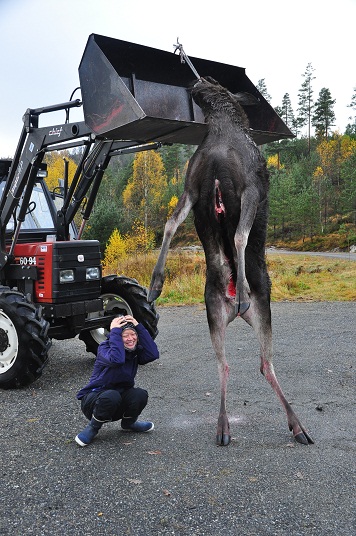
When we went to a nearby village, Maria and I were surprised to see a huge animal being hanged by a trawler ready to be collected. It seemed to be a young adult female moose. With a lot of effort we took it back. After a light dinner which I cooked fried rice for Kaia (glad that she liked it), we drove back towards Bergen. We missed the great mom Kaia and her beautiful house.


We finally did not see a life moose. The hunting scene should be something like that.


In the middle we were dropped off to start a trip to see the famous spots in Norway: the Trolltunga and the Pulpit Rock.

Saturday, June 16, 2012

這天,我們當了火車去Machu Picchu

對於要花過百美元一程的火車票,更平的方法就是沿火車軌走過去。

這方法在網上被提及已經是三年前的事了,現在這方法或許不行: 可能火車公司會僱更多的守衞不准外人進路軌,或隧道太長太窄使我們不能在火車班次之間穿越隧道,我真的感到憂慮。但是在Cusco聽到Couchsurfing朋友的同事說她剛在上個夏天走過這路, 我就放心一點,只餘下擔心怎樣避過管理員走入路軌。

行動是從Ollantaytambo開始,跟着網上所說經驗是要早上5時到一處叫82Km (應該是指從Cusco到這兒的路軌距離為82公里) 的地方進入路軌。我們約早上五時半到了Ollantaytambo的廣場找車,大部份三輪車和房車的士都要收40 soles (約百二港幣), 跟網上討論區的4 soles所提到的相差很遠。最後因為不想擔誤太多時間而不能竄進路軌,有一架房車的士收30 soles 我們也照殺 (港幣90元總比每人50美元便宜 - 由Ollantaytambo至Aqua Calientes 的火車費)。司機看來是初入行的,我要看著iphone南美地圖不斷叫他往前去, 在Piscacucho 路口再轉進村沿路軌一直往河谷鑽,約半小時車程後我們見到路的盡頭是一火車站,天光了一點,那兒已經有一個人在站崗,我們問司機開車走遠多一點點避過了這人。車停下後司機好像走遠過他之前認為的路程,要求收50soles。老婆手裏有兩張20 soles,這樣就給了他 (如果她有張10 soles, 我就會堅持給 30 soles, 無理由給司機坐地起價), 他欣然收了就駛走了 (這代表我們付多了應付的),餘下來我們望住河谷和火車站,就只有找路進路軌。幸運地我們找到小徑入路軌,我們急步盡快離開車站。不久就見到 一班本地人背着大包迎面走來 (後來發覺有不少人沿路軌住,靠沿路軌走出城),他們向我們打招呼,好像不覺得我們這樣走是甚麼問題,那就好了。

這兒也是印加步道(Inca Trail)的起點,每年數以萬計的行山遊客在這裏留下脚毛,每人付至少400美元行這條40多公里的三日兩夜旅程,沿途有厨師和背夫(或有驢仔)跟團,行上雪山再行落河谷森林,最後行到Machu Picchu。以前是印加帝國的古道,其實印加路線還有很多,我們不太需要抱着人去我去的心態。這條火車路其實本身也應該是一條沿河谷的古道,因為我們沿途也看見印加的古蹟,我們進去這些古蹟是免費的。

古蹟一
我們出發後約一小時做看到第一個建築,這是梯形建築的田或堡壘,我們在這裏吃早餐及看在山上的日出。第一班從 Ollantaytambo 的火車也開出了。在之前一晚我在買火車票的地方紀錄火車單線雙程行車的開出時間,好讓我們對來的火車有準備。當我們正繼續上路之際,有一個來至法國的年青人和我們同一方向來。原來他也不知道這條路線,也沒有在網上找資料,只是一廂情願地想既然有火車路,人就可以行的想法。他在南美已遊了大半年,帶了營,所以他慳了不少宿舍錢。


古蹟二
我們一起走了大半段路,途中經過其他的印加古蹟,亦看到高山和河谷,景色也算優美。亦經過可攀石的石面,及可以露營的梯田,還有水喉送水,我極推薦背包客可帶營慢行,不需要一天就走完路,沿途可欣賞建築及河谷景色。只是我不太喜歡在路軌上走,因為要經常集中精神免踏錯。火車繼續在我們之間穿插,司機都很好心地鳴笛讓我們知道。甚至有秘魯火車公司的司機向我們舉起拇指,從印加古蹟管理員口中我們是幾個月才出現的幾個路軌行者。雖然沿途有不少隧道,但全部都是很短,急步一點很快過完。


這石是可以爬的


可以露營用的水喉
可以露營的梯田
隧道很短,一眼望哂


古蹟三


走得有點慢,我們讓年青人先行,我們享受二人世界;老婆有點累,要休息多一點。地勢由山區變成像熱帶雨林 一般,跟着之前古蹟管理員的提醒,我們還要小心有蛇,所以盡量踩路軌而非軌邊舖了樹葉的小路。當我們走到106km 有一條橋過對面的印加建築,後來我們知道這是一日行山遊往Machu Picchu的開始。再往前走一點,大包大包的癈膠樽推在路軌邊,可想而知旅遊業活動做成環境的破壞。其實沿路軌也有不少從火車抛下來的垃圾,正如在網上 討論區提到杯葛火車的理由提到,一來火車做成環境污染,二來亦有本地人因火車公司要收多些遊客錢而在之前的站被趕下車,我們沿途找到兩個墓碑,看來是起這鐵路犠牲的工人。


我們約在下午三時來到 MachuPicchu 山下的小鎮 Aqua Calientes,花了點時間找便宜的旅館 (55soles 兩晚),早睡早起,明天上山做遊客。


Monday, May 28, 2012

在玻利維亞漫長的泥路上...沈船

離開有高樓大廈的小城Santa Cruz,我們往北走,坐了12小時通宵車到Trinidad。其實我們的目的地是再坐12至30小時巴士的 Rurrenabaque。(究竟是12定30?似乎距離很大呢!?)


Rurrenabaque 又名Rurre,是玻利維亞景點中少有的低地,只有海拔105米,因地近亞馬遜盆地,是經河流 Río Bení遊熱帶雨林及到國家公園Parque Nacional Madidi 的出發點。


我們早上6時到Trinidad,沒有幾家巴士公司開門,問了一間是明天早上才出發。其實,我們的理想時間是坐夜車,既可省一晩旅館錢,又可到城中逛一天。


巴士公司末開,先去醫肚。車站旁有個小街巿,有一排食店,我們來了兩客現造的芝士empanadas,兩客frita,一杯咖啡,一杯朱古力,合共B$9。


巴士公司開始開門,最快開出的是上午9時的車。我們怱怱用15分鐘走入城,在銀行換了錢,再買了點麵包好上路。


8:40am趕回巴士公司,巴士公司叔叔叫我們稍等,但後來店裡的媽媽又說車10點才到。


10點多,有個大隻哥哥搬貨上車,搬搬下,我們的背囊也有份。但那是駕貨車!我們嘗試查詢是否有另一駕乘客坐的車,他們只說再等一下吧,快了。


終於,貨搬好,貨車內加兩條長木板便是我們的座位了。


幸好,乘客不多,我倆外,只有一男、一女及一家四口-媽媽、手抱大bb和兩兄妹,位置足夠大家各據一方。另坐車頭的是司機兼老闆、其女兒及另一司機。


車上滿是貨物,有番茄、枱、櫈、一堆木磨、大大小小的箱子,用滿是沙麈的帆布包裹。木板以外,我們便靠在帆布上。車上可能實在太髒,不到一天我臉上已長出粒粒,雙手又開始敏感起來,長出一排排的小泡泡。自巴西Isla Grande開始的,擦了近一個月敏感藥本來痊愈,真麻煩。

車行到中午,停了下來,原來要等船過河。我們下車飲了碗雞湯飯,喝了瓶啤酒,又再上路。


這段路是這國出名的難路, 好多貨車中途停了,我哋估就算我們等多一日撘巴士,也會遭同一命運,可能更慘,因為大巴士上唔到木筏


全程不是黃泥路、沙麈,就是水潭,癲波非常,有老闆女兒在車上,司機似乎相當小心,我們的速度亦慢,前行又要經過另一水道,這程很短,亦立即有船。但車行不久,又停下了。前路半泥半河,無法前行,面前亦有一條長車龍,居然在此要等兩小時,才有摩打木筏送我們走。


日落時份,終於等到隻木,忽然變成半小時遊船之遊,在車上看到兩岸的鷺、鴨、鵝、鷹、鱷魚、甚至河豚。最恐怖是水上一條條白色光柱,原來是蚊群,我倆雖已由頭到腳重重包裹,但也不能幸免被餓蚊襲撃。


終於到岸,繼續在泥路上前行。九時多,到了一小鎭,才吃到街邊阿姐最後一碟牛肉飯,只好兩份分。


貨車在鎭上又多了三名乘客。


其實路程經過另一國家公園,出名有好多雀在兩旁,可算是唯一免費娛樂

 
起行了末夠一小時,我睡到半夢半醒,正被旁邊細路的臭腳踢在我肚子上,車停了下來。司機可能太疲倦 ,居然泥足深陷,剷進泥潭中,不能動彈。


老闆與女兒好像是跑回村找幫手。


其他人沒事可做,只有等及睡。


真正的泥足深陷
老公在車上掛起吊床,我倆鑽了進去,一睡到天光。


一覺起來,那三個新乘客棄車走了。車上媽媽坐了駕電單車的士進村買早餐。我們言語不通,怕不會回來,只好留下繼續等。四野無人,幸好有對公公婆婆經過,拿著木瓜到村子賣,我們才有早餐吃。


老闆與女兒坐了駕中型車回來,試拉不果,又叫司機掘泥,最後有一輛拖拉機經過,把貨車拉離了泥,但又要等換電池,終於到近十時才開車。


車行龜速,終於到晩上才到了San Borja。


車停了,我們才知道這是終站。。


被騙了!(或許人家有解釋,是我們聽不明。)


要到Rurrenabaque原來要在此再轉兩次車。那種小巴或的士,又要等齊人才開車。


半夜,終於到了Rurrenabaque,找到旅館落腳。

呢段路程 (Trinidad-Rurre),如果你唔嫌辛苦或好鍾意睇雀,咁就去啦,我哋就一定無下次,寧願經Cochabamba。